Category: Exercise Anatomy
-

Position-Specific Hypertrophy – Overhead VS Neutral Tricep Extensions
Unlock the power of position-specific hypertrophy. Recent research reveals significant gains with slight exercise variations. Embrace diverse angles for optimal muscle growth. Elevate your workout with precision.”
-
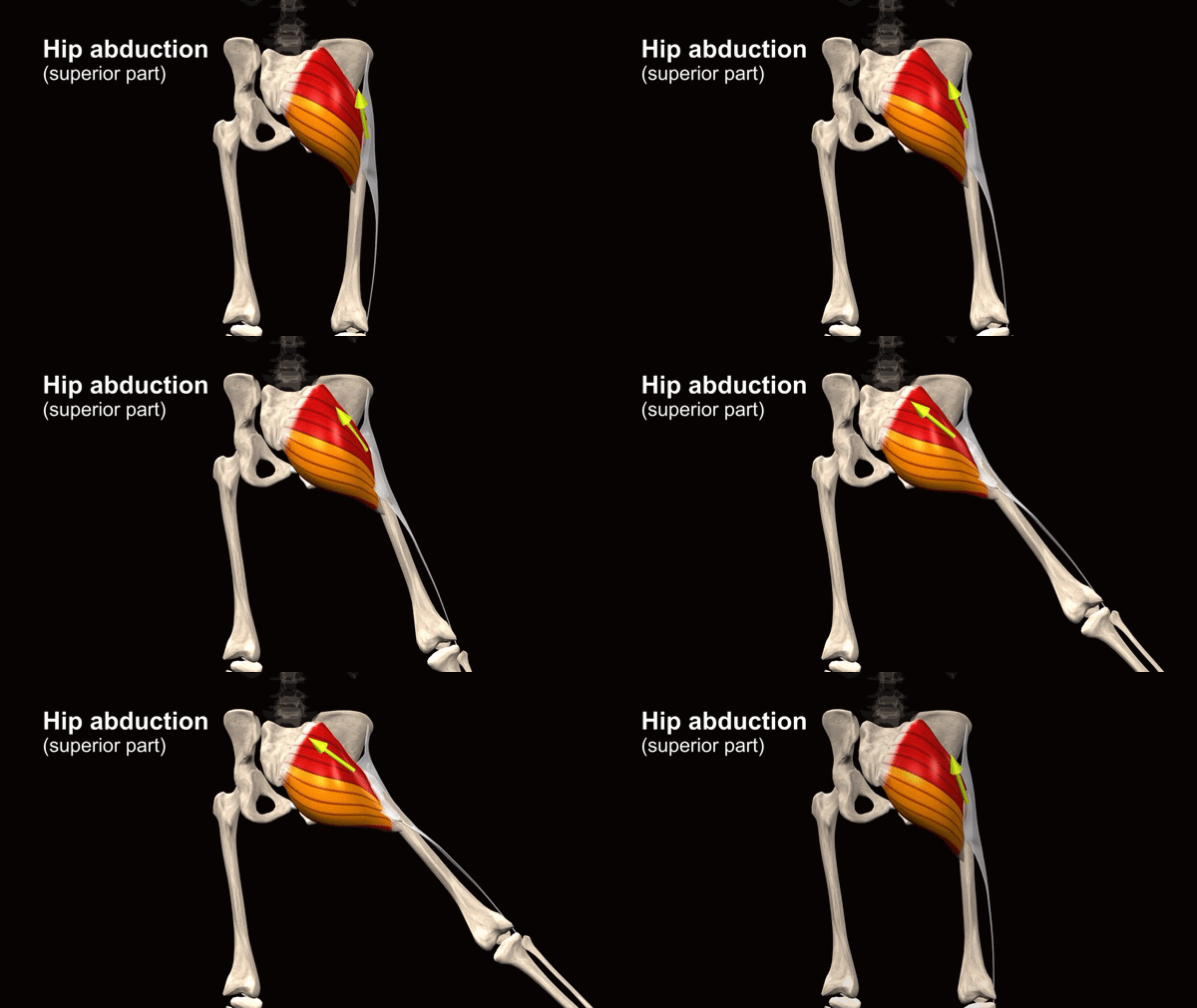
Region-Specific Training: Upper VS. Lower Glutes!
The gluteus maximus, the largest muscle in the butt, has superior and inferior portions responsible for hip abduction and adduction. Training both is crucial for balanced development.
-
Partial Range of Motion Training Benefits
Incorporating partial range of motion into weightlifting has proven benefits: increased muscular hypertrophy, region-specific hypertrophy, strength, load capacity, and reduced muscle damage and injury. It’s supported by scientific studies and Dr. Gains’ training programs.
-

How to Work the Triceps Long Head at Max Contraction
The tricep muscle has 3 heads, with the long head crossing the shoulder joint. Exercises that hyperextend the shoulder can maximize contraction of the long head. Additional resources available.
-
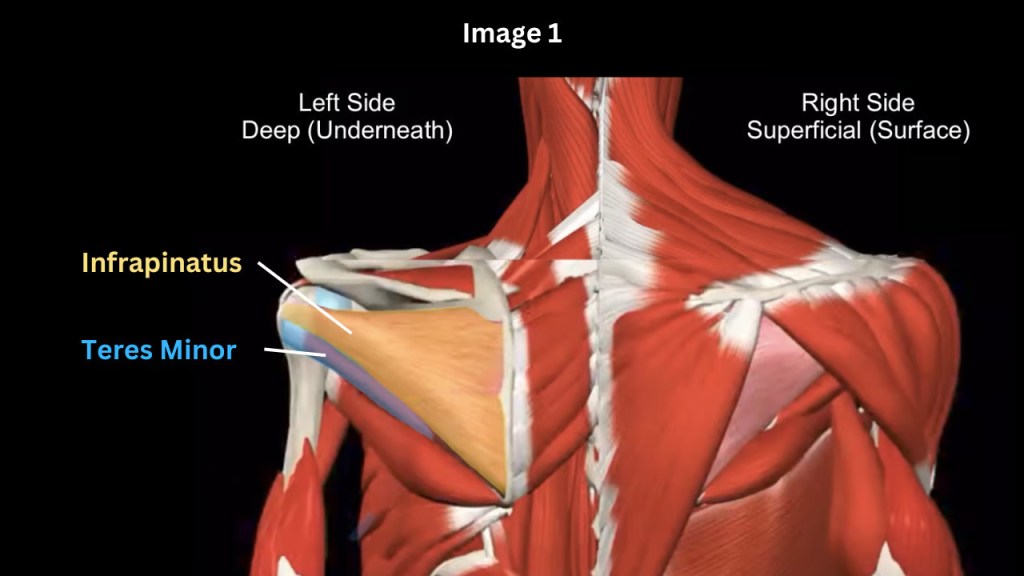
The Key to Strengthening the Rotator Cuff!(Teres Major vs Infraspinatus)
The Teres Minor and Infraspinatus are crucial for a strong rotator cuff. They are best worked with shoulder abducted and adducted respectively for optimal effectiveness. Strengthening is emphasized in the Total Shoulder Program.
-

ALWAYS Use a Lifting Belt With ANY Powerlift-Type Exercise!
The importance of using a lifting belt for exercises like deadlift, squat, power clean, and snatch cannot be overstated. Research shows it supports the spine, reduces injury risk, and improves lifting performance.
-

The Differences Between the Pull-Up and Chin-Up!
The pull-up and chin-up differ in grip and muscle engagement. Pull-ups target back muscles more, while chin-ups involve more muscles in the front. Research articles explore their biomechanics and muscle activation.
-

An Anatomical Secret to Effective Leg Curls!
Leg curls are commonly used to work the hamstrings, but they also rotate the knee. The inner and outer hamstrings have internal and external rotation, respectively, during leg curls.
 Dr. Gains