
Aloha my friends, and Happy Valentine’s Day!
Arguably the two most important factors for your overall health and fitness are getting adequate SLEEP and HYDRATION.
However, those two things can sometimes seem to be at war with each other; drinking enough during the day makes you have to get up to pee at night… which decreases sleep duration and quality!
Luckily, there are strategies you can use to balance both.
Now, to be clear, having to wake up once during the night to pee is fairly normal if you are hydrating properly.
However, if you are having to get up MULTIPLE times during the night, then the following 3 strategies will help decrease those nightly interruptions — hopefully down to one, or maybe even none!
The first one is fairly common sense… and you might’ve heard of the second as well, but I’ll bet the last one will come as a surprise!
1. The 10-Hour Rule
First, focus the majority of your hydration during the first 10 hours of the day!
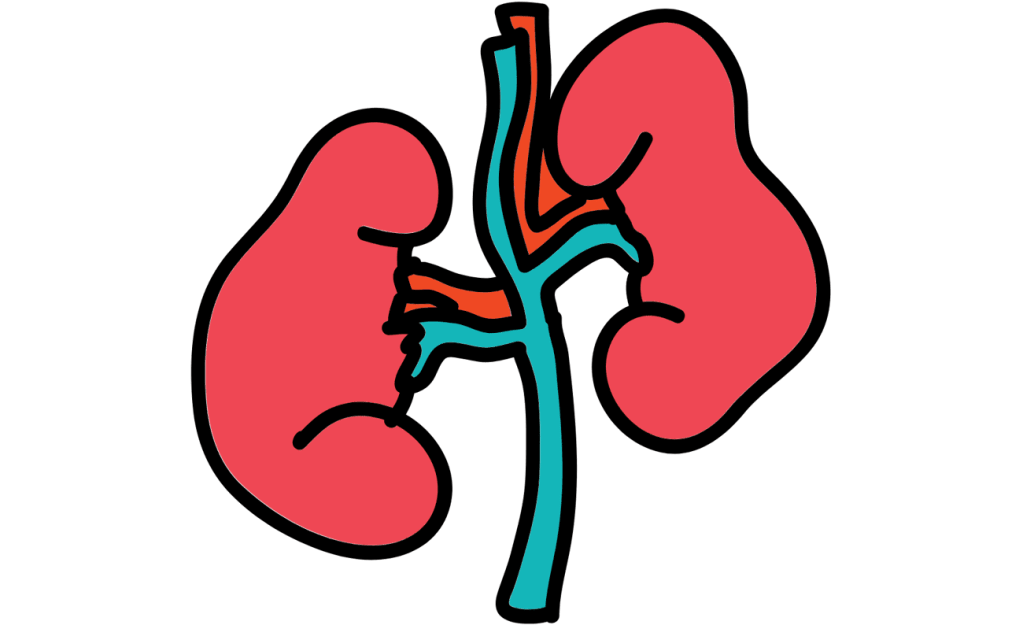
The kidneys, which filter fluids and “create” urine, follow a circadian rhythm where they are much more active during roughly the first 10 hours after you wake up (that’s not an exact cutoff, but you get the idea)… then far less active afterwards.
Your body actually needs more fluid during those 10 hours, and the fluids you drink in that window will give you the most bang for your buck.
Also, the simple act of drinking less in the hours before sleep will obviously decrease the amount of fluid that ends up in your bladder during the night.
2. The Diuretics Rule
As evening approaches, avoid consuming any drink or food that has diuretic properties!
Diuretics are things that decrease the absorption of water into the cells of your body, forcing it down to become excreted via urine instead.
The biggest offender is caffeine. Caffeine is a well-known diuretic, so that’s one of the many reasons to avoid caffeine later in the day (e.g. coffee, green tea, pre-workouts with caffeine, etc.).
However, there are many other common food items that have diuretic properties that you should be aware of! Here’s just a partial list:
• Juniper
• Beets
• Watermelon
• Cantaloupe
• Asparagus
• Cucumber
• Celery
• Lemons
• Garlic
• Ginger

3. The Speed Rule
How quickly liquid goes through your body AND how much of it gets turned into urine isn’t just dependent on how much fluid you drink… but also how quickly you drink it!!
This is because when you drink a lot of fluid very quickly, it gets “backed up” in the stomach and stretches the stomach walls… which have mechanoreceptors that specifically sense stretching caused by fluid intake!
When that stretch is significant (which, again, is a factor of how quickly you drank the fluid), those mechanoreceptors fire signals that tell your body to quickly send the fluid down through the kidneys without absorbing as much, leading to MORE of the fluid ending up in your bladder, FASTER.
So while you’ll want to still decrease the actual amount of fluid you drink in the evening… you are still going to drink SOME liquid.
Simply taking the same amount of liquid intake and spreading it out by drinking it more SLOWLY instead of in a few quick “chugs” will significantly decrease how much urine ends up in your bladder during the night, thus decreasing how often it wakes you up!
Application: Getting most of your hydration during the first 10 HOURS of your day, avoiding DIURETIC substances in the evening, and drinking more SLOWLY in the evening will all decrease the need to get up in the night to pee — improving your sleep quantity and quality, thus making an ENORMOUS impact on your overall health and fitness!
Relevant Previous FTF Tips (for All-Access Members):
2) Lack of Sleep = Lack of Gains!! (Anything < 7 Hours) | Week 37
Relevant Research Article(s):
1) Circadian rhythms and the kidney
2) Mechanisms of caffeine-induced diuresis
3) Sensory neurons that detect stretch and nutrients in the digestive system
 Dr. Gains
Leave a comment